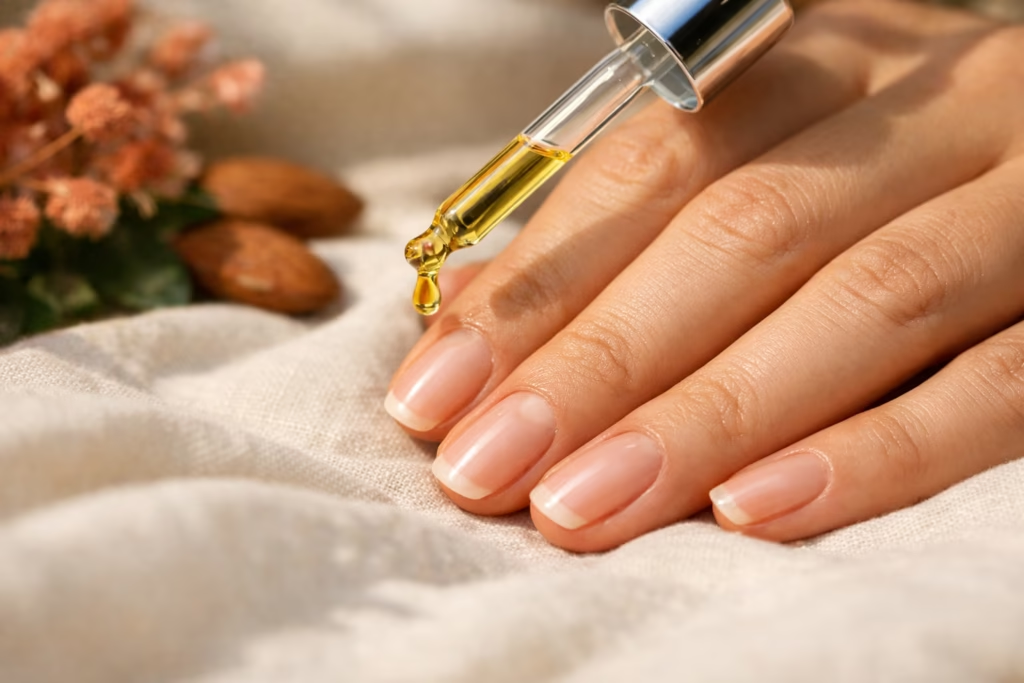
Stripping off acrylics or dealing with brittle, peeling nails? Here is your complete guide to restoring your nail health from the cuticle up.
We put our hands through a lot. From harsh chemical removers to aggressive filing, our nail beds often bear the brunt of our beauty routines. But the good news? Nails are remarkably resilient when given the right environment to heal.
- Hydration is the absolute secret weapon for flexible, non-breaking nails.
- Avoid water-logging your nails; always wear gloves when washing dishes.
- Keratin takes time to rebuild—expect a full recovery to take 3 to 6 months.
3 Signs of Unhealthy, Damaged Nails
Before you can begin the recovery process, it’s important to identify exactly what type of trauma your nail plate has endured. Here are the most common symptoms we see after acrylic removal or chemical damage.
Peeling & Splitting
The top layers of the keratin have been stripped away. This usually happens from peeling off gel polish prematurely or severe dehydration from acetone removers.
- Visible flaking at the free edge
- Nails feel paper-thin and bend easily
White Spots (Leukonychia)
Contrary to the old wives’ tale, this is rarely a calcium deficiency. These spots are micro-traumas to the nail matrix caused by aggressive cuticle pushing or banging your nails.
Sore, Red Nail Beds
A classic sign of over-filing by an electric drill. The nail plate is perilously thin, exposing the sensitive nerve endings in the nail bed beneath.
The Ultimate Recovery Ingredients
Healing happens from the inside out and the outside in. When shopping for cuticle oils and hand creams to rescue your hands, look for these heavy-hitters.
Healing Timeline: What to Expect
Patience is mandatory. Fingernails only grow about 3.5 millimeters a month. Here is what your recovery journey will look like if you stick to a daily hydration routine.
Natural Recovery. Gentle Care.
Restore your nails’ health with our holistic approach and curated natural products.
Start Free DiagnosisFrequently Asked Questions
Everything you’ve been wondering about getting your natural nails back into top shape, structured for easy reading.